Summer Internship Spotlight: Conducting an Annual Easement Monitoring Visit
There’s always something new to discover in land conservation. Through this new feature, our summer intern, Paige Miller, will share what she’s learning as she spends the summer exploring Scenic Rivers’ work in the field and behind the scenes. Along the way, readers will get an inside look at the stewardship, monitoring, and conservation tools that help protect Anne Arundel County’s special places.
In her first column, she joins a conservation easement monitoring visit and learns how conserved lands are cared for long after they’re protected.
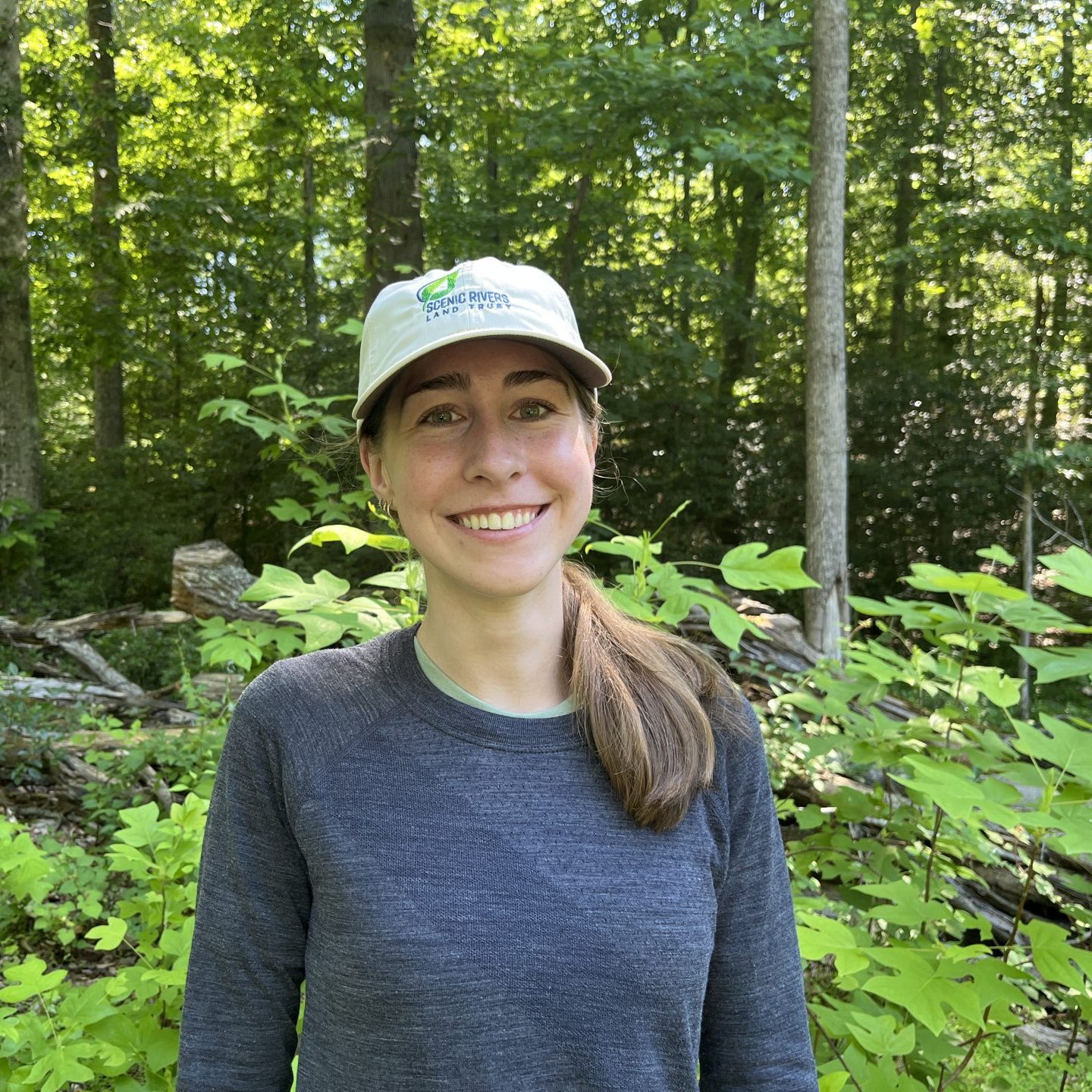 During the initial month of my summer internship with Scenic Rivers Land Trust, I have worked alongside our Stewardship and Engagement Coordinator, Luke Lanham, and Land Programs Manager, Erin Kilbane to conduct an annual monitoring visit to one of Scenic Rivers’ conservation easements.
During our monitoring visit this past month, Erin and I walked one of Scenic Rivers’ easements to observe boundary lines, identify prevalent native and invasive plant species, document any structural changes, and take photographs to add to the property’s monitoring records. We also reviewed the conservation easement deed beforehand to verify the property’s specific stewardship requirements. Since the easement included a vegetative buffer requirement, we walked along the stream, surveyed the surrounding vegetation and made sure that the buffer met the required width on both sides of the creek.
Vegetative buffers are strips of native trees, shrubs, and other vegetation that are maintained along bodies of water, like streams, rivers, and wetlands. These buffers help improve water quality by filtering pollutants and sediment before they reach our local waterways, as well as helping reduce erosion and providing habitat for wildlife.
Following the site visit, all observations, photographs, and notes were uploaded to Scenic Rivers’ stewardship and land management database, Landscape. Maintaining up to date records is an important part of land conservation, as it allows organizations to track and record changes over time to ensure that the conservation values of the easement are protected. Learning about and experiencing the monitoring process at Scenic Rivers has been incredibly rewarding and has helped me better understand the long-term stewardship work that is done on conserved land.
In preparation for future monitoring visits, I have been updating easement records in Landscape. This process involves reviewing each conservation easement deed and entering important stewardship requirements and property information into the database. As I have worked through these records, I have become familiar with several conservation tools, such as vegetative buffers, forest stewardship plans, and soil management plans. Forest stewardship plans are long-term management plans that guide the sustainable practices in forested areas, helping maintain forest health and biodiversity. Soil management plans outline practices that protect soil health and reduce erosion.
I am looking forward to conducting more monitoring visits throughout the remainder of my internship.
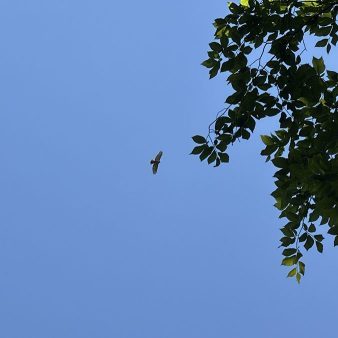
Photo (above): Not a bad office view. A red-tailed hawk circles above during an annual stewardship visit; a reminder that conserved forests provide habitat for wildlife while protecting the resources that sustain our community.